The most influential names in Asian digital assets
The people whose capital, conviction and infrastructure decisions shape where the region's on-chain economy goes next.
From trading to infrastructure
Asia's digital asset market has stopped being a trading story. The money moving now goes into settlement infrastructure, tokenised assets, stablecoin rails and the execution layers institutions will eventually run on, and the decisions are made by a small number of people with long memories of previous cycles.
Selection criteria
This list recognises people with verifiable records in Asian digital assets, across venture investing, corporate venture, foundation leadership and company building. It weighs documented work rather than visibility, doesn't rank, and doesn't imply endorsement.
Jehan Chu
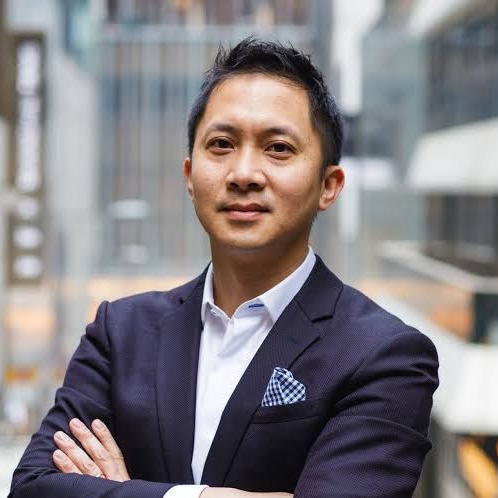
Photo: Tatler Asia
Chu was running Ethereum meetups in Hong Kong before most funds had heard of it. He founded Ethereum Hong Kong and co-founded the Bitcoin Association of Hong Kong in 2014, bringing Vitalik Buterin to the city repeatedly, then added Hyperledger Hong Kong two years later.
Kenetic followed in 2016, built on his observation that no Asian venture firm was focused specifically on blockchain. The firm has since backed hundreds of projects including Decentraland and led an $11.3m round for Flare. His route there was unusual: web development during the dot-com years, then nearly a decade at Sotheby's, ending as head of client development for Asia, then his own art advisory. He is plain about what the work takes. Nothing, he has said, is more humbling than thinking you are a genius on Monday and watching your market fall 70 per cent.
Annabelle Huang
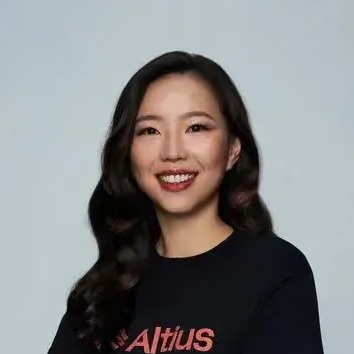
Photo: CoinDesk
Huang spent years solving crypto's liquidity problem, then concluded the real constraint was underneath it. After structuring foreign exchange products at Deutsche Bank and Nomura in New York, she joined AirSwap as its Asia lead in 2018, then Amber Group, where she rose to managing partner across liquidity, products and institutional expansion.
In 2024 she left to co-found Altius Labs with a former Hudson River Trading engineer, raising an $11m pre-seed co-led by Founders Fund and Pantera. Her argument is that performance alone was never the issue. Nearly two decades into Bitcoin and more than ten years into Ethereum, she has said, the infrastructure itself is still nascent, and what institutions need is security, compliance and privacy rather than speed. On regulation she is similarly direct: what the industry needs is clarity.
Jack Liu
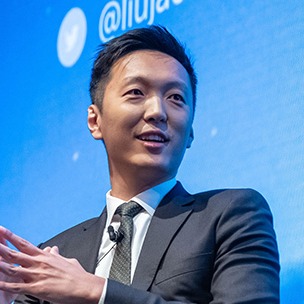
Photo: CoinGeek
Liu has spent a decade asking what Bitcoin is for, and answering it with products rather than theses. He found Bitcoin in 2013 while on the Barclays trading desk and started writing about it, which is how Jesse Powell found him and brought him to Kraken. He went on to become chief strategy officer at OKCoin, then led Circle's Asia OTC business.
Since leaving he has consistently moved to whatever came next and arrived early. RelayX and FloatSV were built around Bitcoin payments. Ordswap launched within days of Ordinals reaching Bitcoin mainnet in 2023. He was named among the strategic investors behind Metaplanet's move to a Bitcoin treasury in 2024, and now runs Moss Genomics, a listed company holding an Ethereum treasury, while advising StarkWare on Asia-Pacific. His investment filter is three words: simple, new, liquid. His complaint about the industry is one sentence: it needs a thousand use cases, not a thousand coins.
Lily Liu
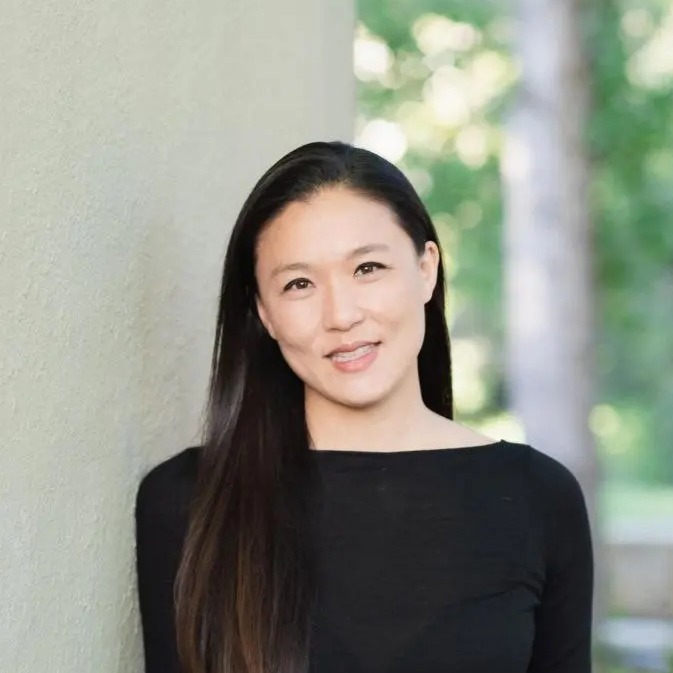
Photo: ChainCatcher
Liu was a committed Bitcoin maximalist before Solana's founders spent several conversations persuading her otherwise. What convinced her was mundane and practical: she pressed it, and it happened.
That instinct for whether something works runs through an unusually varied career. Morgan Stanley in Hong Kong, McKinsey in New York and Beijing, KKR, then chief financial officer of a company building a 500-bed hospital in Zhejiang. She encountered Bitcoin in Shanghai around 2013, co-founded Earn.com, which Coinbase acquired in 2018, and helped found Osmosis and Anagram before taking the Solana Foundation presidency. Her current thesis is that value is becoming programmable, and that markets built on-chain will be global from the first day, open continuously, and reachable by anyone with a connection.
Jeff Ren
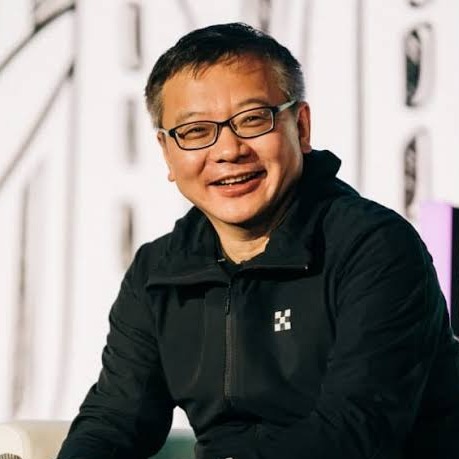
Photo: WebX 2024
Ren qualified as a lawyer in New York and Hong Kong, spent years at UBS and CITIC Securities, and watched traditional investors get blockchain wrong. Most of them, he has said, either dismissed it entirely or approached it with the wrong mental models.
He founded OKX Ventures in 2021 with $100m and built it into something structurally different from a fund: direct investment, fund investment and incubation, with portfolio companies getting access to OKX's exchange, wallet and users. The portfolio runs through the infrastructure layer, including Arbitrum, LayerZero, zkSync and StarkWare, and by 2026 it had backed more than 200 startups. His current map is specific: tokenised real-world assets, Bitcoin layer-2s, major layer-1 ecosystems, stablecoins and Web3 AI. He frames each deal as a partnership rather than a cheque.
Yat Siu

Photo: TechCrunch
Siu trained as a classical musician in Vienna and started work at Atari Germany in 1990, which is a long way from a portfolio of more than 600 companies. In between he built one of Asia's first free web and email services after moving to Hong Kong, then Outblaze, which was handling around 250 million emails a day before IBM bought its messaging division in 2009.
Animoca Brands followed in 2014, turning to blockchain in 2018 around a single argument he has made ever since: the point is not trading, it is owning. Digital property rights, in his framing, mean people holding their assets, identities and data rather than renting them. The portfolio includes Yuga Labs, Axie Infinity, Polygon and OpenSea, and The Sandbox remains its flagship. He sits on Hong Kong's government task force on Web3, reappointed for the 2025 to 2027 term, and now argues that adoption will arrive through AI agents transacting routinely rather than through anyone deciding to trade.
Xiao Xiao
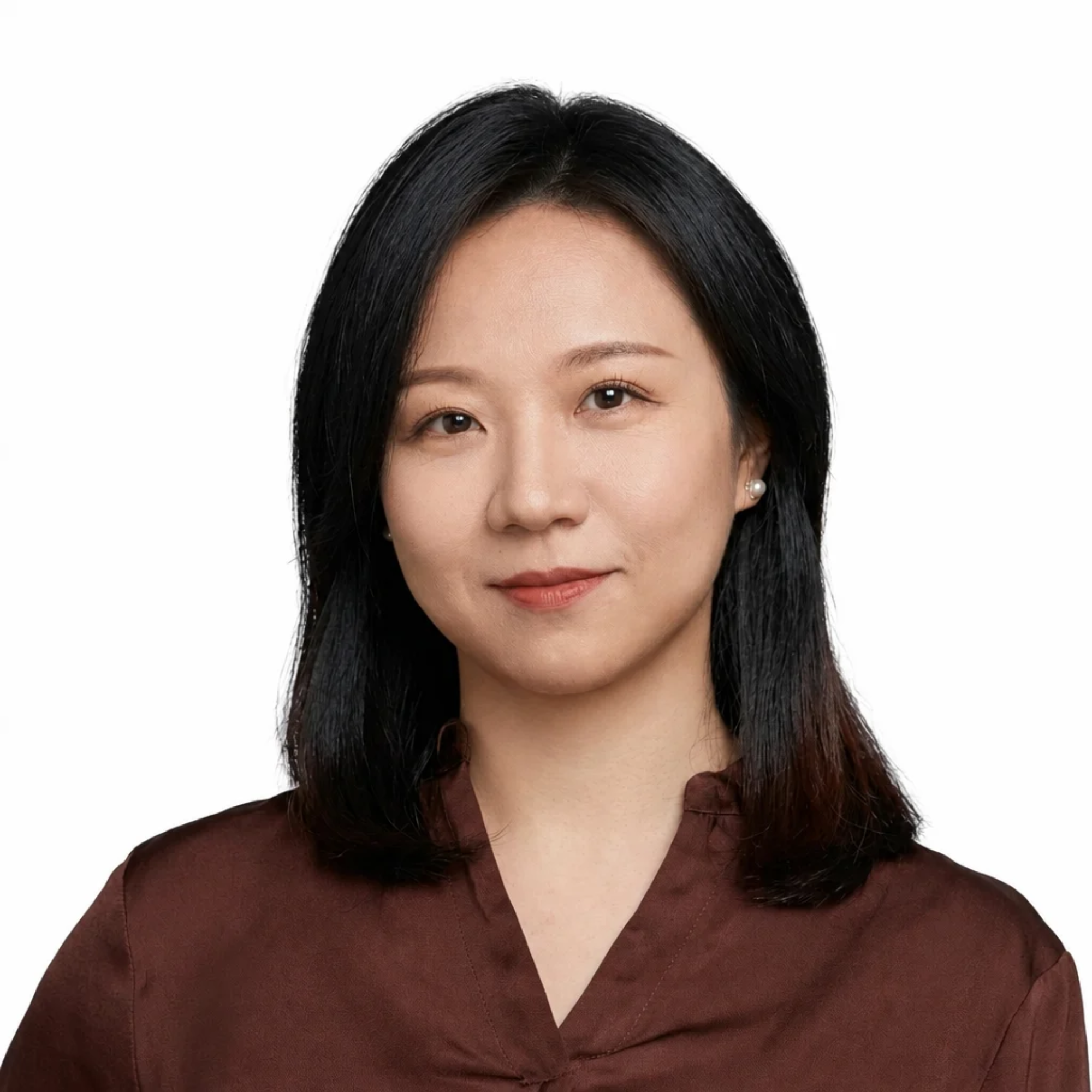
Photo: ETH Shanghai
Xiao treats crypto as a research problem, which is how she ended up investing in it. She began in mergers and acquisitions in 2015, moved to venture capital two years later because it put her closer to new technology, and came to digital assets through Huobi Research, where she served as chief analyst.
She joined HashKey Capital in 2020 and is now a partner, co-authoring the firm's published sector analyses across zero-knowledge systems, Ethereum, DeFi, AI, Bitcoin and infrastructure. That research discipline shows in how she describes the job. The team matters most, particularly motivation and execution, and valuation discipline is absolute: if a project is priced too high, HashKey will not participate however popular it becomes. On where the opportunity sits she has been unambiguous, naming Asia as holding the regulatory advantage while noting that regulation can change.
Editorial methodology
ExpertProfile.AI selects recognised people through editorial research of publicly available information. Inclusion is not for sale and does not represent an endorsement, investment recommendation, or guarantee of future performance. Roles and affiliations can change; we welcome factual corrections and relevant additional evidence.
Help us keep this recognition accurate.
Suggest a factual correction, share public evidence, or nominate someone whose contribution should be considered.

Nominate an expert, request a correction, or sponsor a list.
Help us keep our discovery platform accurate, comprehensive, and valuable. Share an industry specialist deserving of recognition, help us maintain profile accuracy, or explore commercial alignment through vertical list sponsorships.
